The Early Skepticism
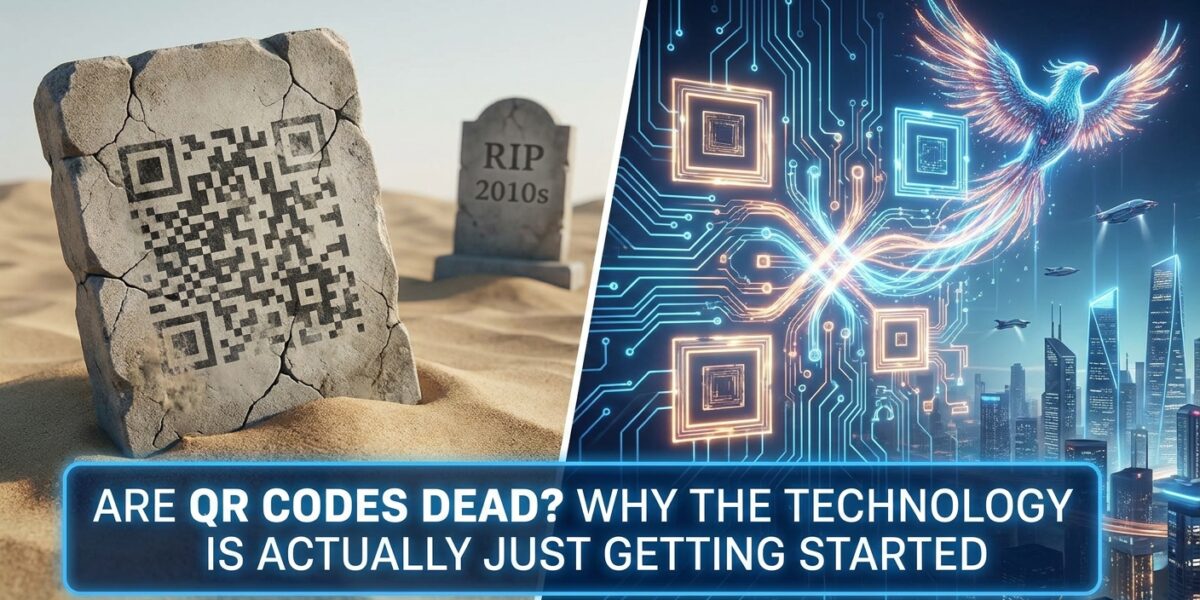
If you asked a marketer in 2015 if QR codes were a viable strategy, you would likely have been met with an eye roll. In the early 2010s, QR codes were heavily hyped but poorly executed. Users had to download clunky, third-party scanning apps filled with ads just to scan a code that often led to a non-mobile-optimized website. The friction was too high, and many declared the technology “dead.”
Fast forward to today, and the landscape is unrecognizable. QR codes are ubiquitous. They are on our restaurant tables, our concert tickets, our product packaging, and even on our television screens during the Super Bowl. Far from being dead, QR technology is entering its golden age. But what caused this massive resurgence?
The Tipping Point: Native Scanning
The single biggest catalyst for the QR code’s resurrection was the decision by Apple and Google to integrate QR code scanners natively into their smartphone camera apps. Suddenly, the biggest point of friction—downloading a third-party app—vanished overnight. Today, 100% of modern smartphones can scan a QR code just by opening the camera. This frictionless accessibility turned a novelty tech into an everyday utility.
The Contactless Catalyst
While native scanning laid the groundwork, the global events of 2020 acted as the ultimate accelerant. The sudden need for touchless interactions pushed the Restaurant Menu QR code into the mainstream. Businesses that had resisted digital transformation were forced to adapt, and consumers across all demographics learned how to scan a code out of necessity. What started as a health measure quickly revealed itself as a superior operational model. Restaurants saved on printing, and customers enjoyed faster service.
The Evolution from Simple Links to Smart Actions
Another reason QR codes are thriving is that they have evolved far beyond just opening a basic webpage. Using a modern, free QR code generator, businesses can trigger complex, specific actions that save time and reduce errors:
- Instant Connections: A WiFi QR code connects a device to a secure network instantly without typing passwords.
- Networking: A vCard QR code bypasses manual data entry, saving a professional’s contact info directly to an address book.
- App Routing: An App Download QR code detects the user’s operating system and routes them to the correct app store intelligently.
- Payments: A Crypto QR code ensures a complex, 34-character wallet address is entered flawlessly for secure transactions.
The Integration with Augmented Reality (AR)
As we look to the future, the QR code is positioning itself as the gateway to Augmented Reality. Brands are already using codes on product packaging to trigger WebAR experiences. A customer can scan a code on a box of furniture and see a 3D, augmented reality model of that sofa sitting in their actual living room. The QR code acts as the anchor point that bridges physical reality with digital overlays.
The Marketing Powerhouse
For marketers, the QR code solves the attribution problem of offline advertising. Historically, if you put a billboard on a highway, measuring its exact ROI was impossible. Now, by using a URL QR code embedded with UTM tracking parameters, a marketer can see exactly how many scans, clicks, and sales that specific physical advertisement generated. It brings the precision of digital analytics to the physical world.
Conclusion
Are QR codes dead? Absolutely not. They have shed their early awkward phase to become a fundamental piece of modern digital infrastructure. As long as we interact with the physical world while holding digital devices, we will need a bridge between the two. The QR code is that bridge—fast, reliable, and universally understood. Whether you are sharing a PDF document, gaining followers via a Social Media QR code, or soliciting feedback with a Google Review QR code, this technology is essential for modern business. Start building your scannable future today with our free, permanent generator.