The Evolution of QR Codes in Modern Marketing
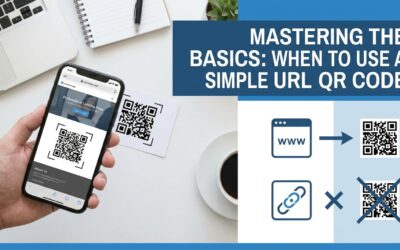
In the fast-paced world of digital marketing, finding innovative ways to connect with your audience is crucial. If you’ve been looking for a cost-effective method to bridge the gap between your physical marketing materials and your digital presence, a URL QR code might just be the secret weapon you need. Originally designed for tracking parts in the automotive industry, Quick Response (QR) codes have evolved into a staple of modern consumer marketing. Today, using a free QR code generator is one of the easiest and most accessible ways to enhance customer engagement.
For a long time, marketers struggled with the “last mile” of offline marketing: getting a user who sees a billboard, flyer, or print ad to take a digital action. Typing out a long URL is tedious and prone to errors. But with the rise of smartphone technology and built-in camera scanners, scanning a QR code is now second nature to most consumers. This article will explore why incorporating these scannable squares into your strategy is a game-changer, and how you can do it completely free.
Why Your Business Needs a Free QR Code Generator
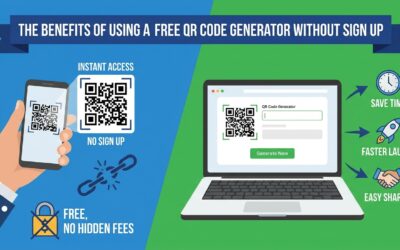
One of the biggest misconceptions about marketing technology is that it has to be expensive. However, a high-quality free QR code generator provides enterprise-level utility without the hefty price tag. Here are several reasons why your business should be utilizing this tool:
1. Cost-Effective Campaign Management
Small businesses and startups often operate on tight marketing budgets. Spending thousands on sophisticated tracking software or expensive proprietary shortlinks isn’t always feasible. By using a free platform to generate your codes, you immediately cut overhead costs. You can create an unlimited number of codes for various campaigns without worrying about monthly subscriptions or hidden fees. Whether you need a Website QR code for your homepage or a specific landing page, you can generate it instantly and for free.
2. Seamless Offline-to-Online Transition
Imagine handing out a beautifully designed business card or a promotional flyer. While the design might catch a potential customer’s eye, the ultimate goal is to drive them to your website, social media, or a specific product page. A QR code removes the friction. Instead of memorizing a link or searching for your brand on Google (where they might get distracted by competitors), they simply point their phone and click. It’s instantaneous.
3. Versatility Across Different Mediums
QR codes are not limited to just website URLs. The versatility of a modern generator allows you to create different types of codes tailored to specific needs. For example, if you run a restaurant, a Restaurant Menu QR code can provide a touchless dining experience. If you’re hosting an event, a WiFi QR code can instantly connect guests to your network. This flexibility means that no matter what your campaign entails, there is a QR code solution that fits.
Strategic Implementation: Where to Place Your QR Codes
Creating the code is only half the battle; placing it strategically is where the real marketing magic happens. A QR code placed in the wrong environment—like a highway billboard where drivers can’t safely scan it—is a wasted opportunity. Here are some of the best places to integrate QR codes for maximum impact:
Product Packaging
If you sell physical goods, your product packaging is prime real estate. You can use a QR code to link to a video tutorial on how to use the product, a feedback form, or a warranty registration page. Providing this added value right on the box enhances the customer experience and builds brand loyalty.
Print Advertisements and Direct Mail
Print isn’t dead; it just needs a digital upgrade. Adding a QR code to magazine ads, newspaper inserts, or direct mailers gives readers an immediate call-to-action. You can link these codes to exclusive discount pages or interactive content, turning a passive reading experience into an active engagement.
Business Cards and Networking
Networking events can be overwhelming, and physical business cards often end up lost in a drawer. By adding a vCard QR code to your physical card, the recipient can scan it and instantly save all your contact details directly to their phone’s address book. It’s professional, efficient, and memorable.
Best Practices for QR Code Marketing
To ensure your QR code campaigns are successful, it’s essential to follow some industry best practices. A poorly executed QR code can frustrate users and harm your brand’s reputation.
1. Always Provide Context (A Call to Action)
Never place a naked QR code on a piece of marketing material without telling the user what scanning it will do. Add a clear Call to Action (CTA) like “Scan to get 20% off,” “Scan to view our menu,” or “Scan to watch the video tutorial.” When users know what to expect, they are much more likely to pull out their phones.
2. Ensure Mobile Optimization
This might seem obvious, but it is frequently overlooked. Since 100% of the people scanning your QR code will be doing so on a mobile device, the destination page MUST be mobile-friendly. If a user scans your code and is taken to a desktop site that requires pinching and zooming, they will bounce immediately.
3. Test Before You Print
Always, always test your QR codes before sending them to the printer. Scan them with different devices (iOS and Android) and different scanning apps to ensure they resolve correctly to the intended destination. A broken link on 10,000 printed flyers is a costly mistake.
4. Size and Placement Matter
Make sure your QR code is large enough to be scanned easily. The general rule of thumb is that the code should be at least 1 inch by 1 inch (2.5 cm x 2.5 cm) for close-range scanning, like on a business card. If it’s on a poster, it needs to be significantly larger. Also, leave enough “quiet zone” (the blank space around the code) so the scanner can easily recognize it.
Measuring Success: Analytics and Tracking
While standard static QR codes (like the ones generated for free that don’t expire) are fantastic for permanent links, many marketers want to know how well their campaigns are performing. Even with a free generator, you can track success by using UTM parameters in your URLs.
By appending UTM tags to the URL you encode, you can see exactly how much traffic came from that specific QR code in your Google Analytics dashboard. For instance, you could encode www.yourwebsite.com/sale?utm_source=flyer&utm_medium=qrcode&utm_campaign=summer_sale. This allows you to measure the ROI of your printed materials with the precision of a digital campaign.
The Future is Scannable
As consumer behavior continues to shift towards mobile-first interactions, the importance of seamless offline-to-online connections will only grow. Utilizing a free QR code generator is no longer just a neat trick; it’s a fundamental aspect of a modern, comprehensive marketing strategy. By thoughtfully integrating these codes into your packaging, print media, and physical spaces, you can dramatically increase engagement, track your offline marketing efforts, and provide a superior, frictionless experience for your customers.
Ready to transform your marketing? Start creating your customized codes today with our completely free, no-signup, never-expiring QR code generator.